Breckenridge Museums and Tours
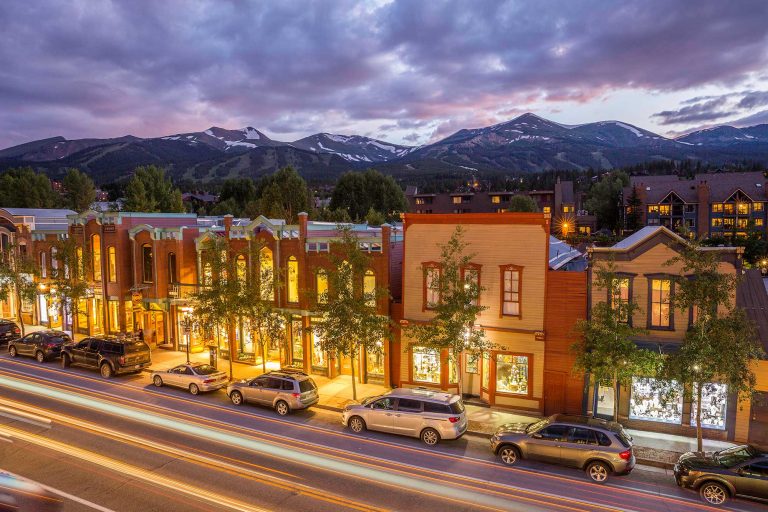
Breckenridge is rooted in its past and boasts one of the largest historic districts in Colorado. Create memories with affordable guided historic tours and hikes, and enjoy free, family-friendly museums operated by Breckenridge History and Breckenridge Tours. Visit their web sites for a full list of activities, events, museums and tours in Breckenridge.
Breckenridge Ghost Tours
Ghostly Tales Tour
This is the original ghost tour of Breckenridge (started in 2010), with new sites and updated information. Explore the darker side of our wild west past with our chilling tales of the ghosts that remain here. Ghost hunting equipment provided!
Visit Breckenridge Ghost Tour’s website for current schedule and pricing.
Tombstone Tales Tour
This twilight tour through Breckenridge’s Valley Brook Cemetery, on the National Register of Historic Places, reveals ornate, carved gravestones representing some of the town’s earliest art and written history. This is the only guided tour of Breckenridge’s historic cemetery.
Tours offered summer and fall; visit the Breckenridge History website for current schedule and pricing.
Voices from the Grave Tour
This walking tour starts at the site of the original cemetery of Breckenridge. Hear the history of the town’s burial grounds and also the stories of the locals that are buried here. Visit their places of business or homes on the way.
Offered in summer only; Visit Breckenridge Ghost Tours’ website for current schedule and pricing.
Strange But True Tour
This 90 minute walking tour is all about disappearances, suspected kidnappings and other strange events, including the fate of the Breckenridge Navy. Hear about the weird and unusual events that occurred in Breckenridge from 1961, when the ski area opened, until present day. All true stories with a twist!
Visit Breckenridge Ghost Tours’ website for current schedule and pricing.
Breckenridge History and Mine Tours

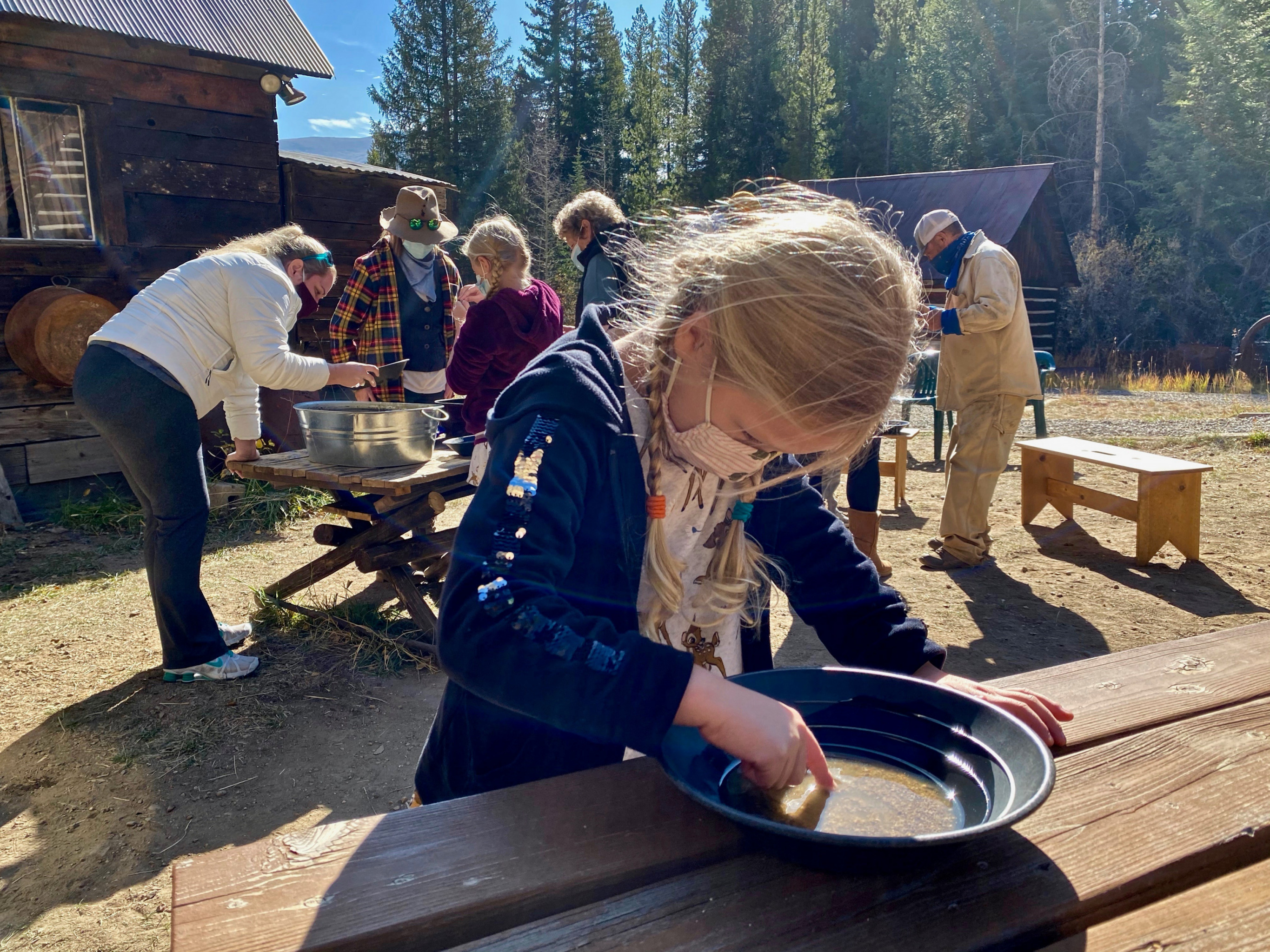
Gold panning at Lomax Placer Mine.
Lomax Placer Mine Tour and Gold Panning
Gold Panning at Lomax Gulch: Pan the stream for gold at Lomax Gulch, site of an 1860’s era mining operation that used high-pressure water hoses and sluices to collect the precious mineral. The site features historic buildings and equipment, a miner’s cabin and gold panning lessons from an expert guide. What you find is yours to keep. Great for kids and families
Open summer months; visit the Breckenridge History website for current schedule and pricing.
Washington Mine Site and Milling Exhibit
Miners worked long hours in search of precious minerals. See original mining equipment and explore several mining buildings at this reconstructed site. New, this season is an exhibit featuring all of the major equipment used to process ore harvested from underground mines. Peer into a shaft hole and chat with an interpreter about the hard life of a miner.
Visit the Breckenridge History website for current schedule and pricing.
Historic Walking Tour of Breckenridge
Take a tour though Breckenridge’s nationally recognized Historic District with a local expert! Learn about historic businesses and families and view several of the earliest buildings in town, from log cabins to stately residences. Along the way, hear stories about the gold seekers, hardy souls, and socialites who lived in Breckenridge more than 100 years ago.
Tours offered year-round; visit the Breckenridge History website for current schedule and pricing.
Wild West Tour
Experience a taste of all our tours on this 90 minute walking tour. Partly historic, partly strange and partly ghostly, this tour will give you a complete overview of this fascinating town.
Visit Breckenridge Ghost Tours’ website for current schedule and pricing.
Bawdy Breckenridge Tour
Explore the seedier side of Breckenridge history. You will learn local saloon lore, from madams and mayhem to murder, from rot-gut whiskey to the goings-on of the red light district. Throw one back in the tasting room of Breckenridge’s award-winning distillery and enjoy this tour through time in Bawdy Breckenridge of the 19th century! Adults only (21+).
Visit the Breckenridge History website for current schedule and pricing.
Victorian Tour & Tea
You’re invited to Mrs. Briggle’s house for an afternoon delight. Meet Katie, a socialite in early Breckenridge, and explore her classic Victorian home. Enjoy a Victorian tea service and treats in the house.
Tours offered year-round; visit the Breckenridge History website for current schedule and pricing.
English Tea Tour
Join Mrs. Engle, the banker’s wife, or May Nicholson, the madam, as they take you on Breckenridge’s only living history tour through downtown. Hear the stories and catch up on the gossip of those Victorian ladies and gentlemen from 1910. Finish with English tea and scones in an historic tea house.
Visit Breckenridge Ghost Tours’ website for current schedule and pricing.
Hike the Golden Horseshoe
Join an experienced guide for a hike through Breckenridge’s fabled Golden Horseshoe, one of Colorado’s most fertile mining regions and the location of dozens of early mining operations. Along the way, take in scenic views of Ten Mile Range, hear about the local environment, and see the ruins of mine sites and the gold-gobbling Reiling Dredge boat.
Hikes offered year-round; visit the Breckenridge History website for current schedule and pricing.
Hike Home with a Miner
Enjoy a guided hike through the historic Iowa Hill mine site with a local expert. Along the way see authentic mining artifacts and interpretive signs that tell the story of how gold was extracted from the surrounding hills. Visit a restored miners’ boarding house (c. 1868) and experience life as a miner in Breckenridge’s early days.
Hikes offered year-round; visit the Breckenridge History website for current schedule and pricing.
Country Boy Mine Tour
In the midst of the majestic Rocky Mountains, the Country Boy Mine was one of the largest and most famous gold mines in Breckenridge, Colorado. Today, we invite you to visit the Country Boy Mine and enjoy the many activities the mine has to offer. Join us for a mine tour into a real gold mine at this historic restored mining site. While at the mine you can also gold pan, pet the burros, slide down the 55 foot ore chute, explore the authentic mine site, view the exhibits and equipment that were used in the mine and visit the general store. The Country Boy Mine has been offering mine tours for over 20 years. The Country Boy Mine is located 2 miles from downtown Breckenridge in Summit County, Colorado.
Tours now offered year-round; visit the Country Boy Mine for current schedule and pricing.
Breckenridge Museums
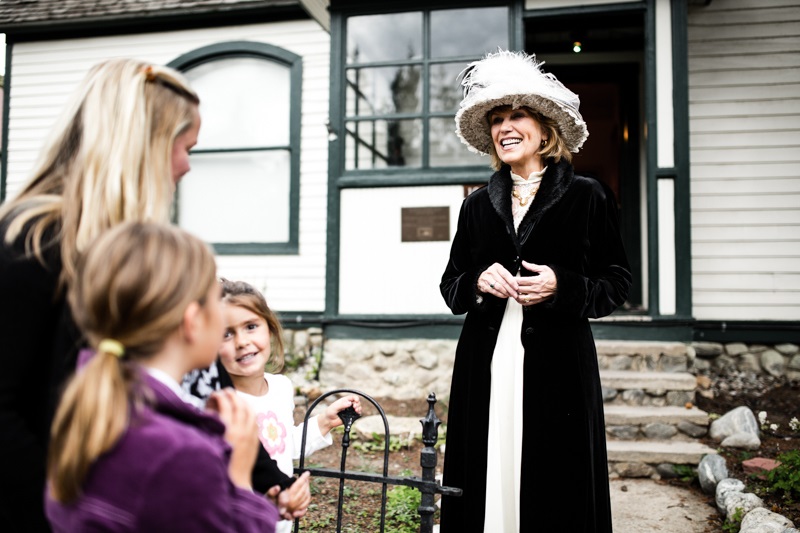
Bring the whole family and learn about Breckenridge’s wild west history.
Breckenridge Welcome Center History Museum & Theater- 203 S. Main Street
Inside the Breckenridge Welcome Center is a museum offering an overview of Breckenridge history, from gold mining and narrow gauge railroads to the birth of the ski industry. The newly updated theater shows short historical videos. The new interactive timeline “Time Is A River” allows guests to explore Breckenridge from the formation of the Rocky Mountains to the opening of Peak 6 for skiing.
Barney Ford Museum – 111 East Washington Avenue
Born into slavery in 1822, Barney Ford endured racism, claim jumping, fires and financial hardship to become one of Colorado’s most prominent businessmen of his time. Ford commissioned his Breckenridge home in 1882 on a prominent downtown property. Today, the Barney Ford House has been restored to its original Victorian style. In 2021 Rocky Mountain PBS premiered Colorado Experience: Mr. Barney Ford, an hour documentary about Ford’s life and legacy.
Visit the Breckenridge History website for current schedule and pricing.
Edwin Carter Museum – 111 North Ridge Street
Edwin Carter came to Breckenridge in 1868 seeking gold and fortune, but his goals changed when he saw the devastation mining had on the environment and local wildlife. Carter became a taxidermist and collected Rocky Mountain animal specimens in his museum, which doubled as his home. After his death, his collection of almost 3,300 specimens formed the nucleus of the Denver Museum of Nature and Science.
Open year-round; visit the Breckenridge History website for current schedule and pricing.
Breckenridge Sawmill Museum – Boreas Pass and Monroe Road
The historic homes, stores and mines still standing in Breckenridge today could not have existed without the sawmills that processed trees cleared from local hillsides. The sawmill museum offers a self-guided tour of the equipment used by early frontiersmen to cut and prepare timbers for construction.
Open year-round; sunrise to sunset.
High Line Railroad Park & Playground – 189 Boreas Pass Road
Train lovers will delight in Engine No 9, one of the few remaining narrow gauge locomotives that once braved the treacherous mountain passes. Located near the original track into Breckenridge from Boreas Pass, the park also has a huge rotary snowplow used to clear snowdrifts from the tracks, a replica caboose and a new train-themed playground.
Park open year-round; sunrise to sunset. Museum open seasonally; visit the Breckenridge History website for current schedule.
Red, White & Blue Fire Museum – 308 North Main Street
In 1880, the all-volunteer Breckenridge Fire Department was created in response to the treat of a major town fire. Breckenridge was growing rapidly and with boardwalks, commercial business, and homes constructed of log and wood, even the occasional small blaze was potentially catastrophic. The department soon boasted three companies; the Red, White, and Blue! Through the years, the Breckenridge Fire Department was composed of miners, teamsters, saloon-keepers, merchants and others who worked side by side as equals to defeat the “fire demon.” The current Fire Museum displays an original human-powered ladder cart, a restored hose cart as well as firefighting equipment and uniforms from the first companies.
Open year-round; visit the Breckenridge History website for current schedule and pricing.
Looking to step it up a notch? Discover Breckenridge’s historical hiking trails, perfect for year-round hiking and snowshoeing self-guided adventures!
Experience Breckenridge

Embrace The Spirit
BLike Breckenridge™️ is a movement born of the spirit of our historic mountain town for those who call it home—whether for a weekend or a lifetime—to live by. It is a cause that connects us to each other, that we can all be a part of.